Great Zimbabwe Ruins: A Testament of Zimbabwe
グレート・ジンバブエ遺跡:ジンバブエの証
- Writer / 記事を書いた人
-

- Farie
-
 Republic of Zimbabwe (ジンバブエ共和国)
Article
記事
Great Zimbabwe Ruins: A Testament of Zimbabwe
グレート・ジンバブエ遺跡:ジンバブエの証
▼ 記事の音声を再生
<Let's learn!>
・A , which is located in B
・name after
・so A that B
=====================================
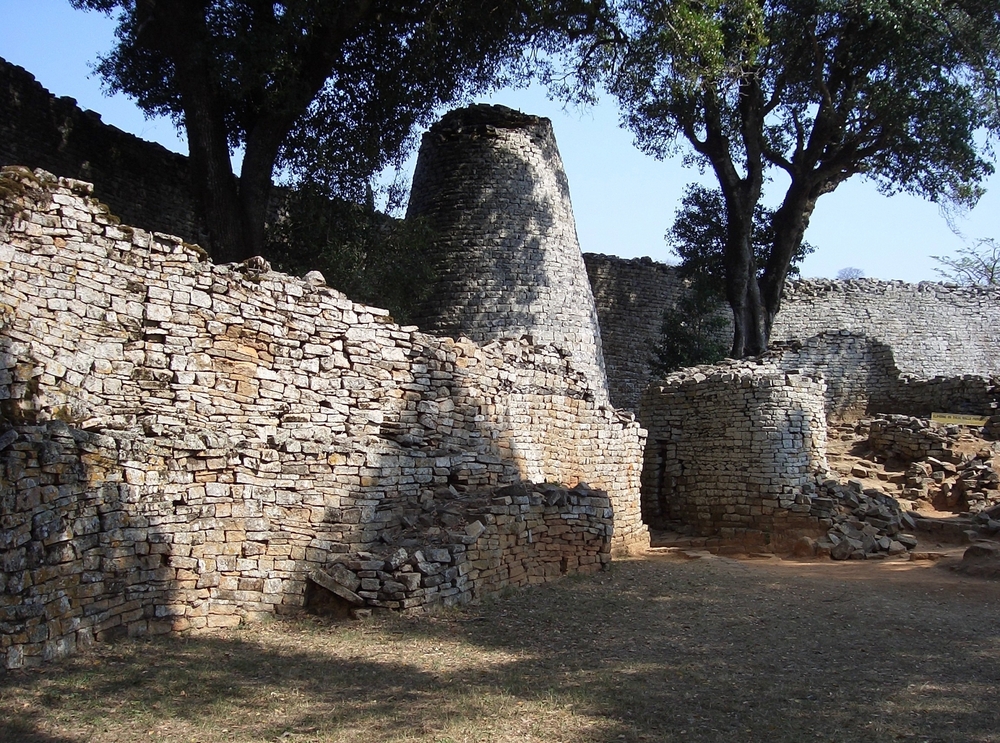
In Zimbabwe, we have a place called “Great Zimbabwe”, which is located in the southeastern part of Zimbabwe, near the city of Masvingo. It is the historical place that the nation is named after. The name Zimbabwe came from the Shona words (one of the official languages) “dzimba dzemabwe”. This translates to 'houses of stone' or 'stone buildings' in English. Let’s take a look at this significant place.
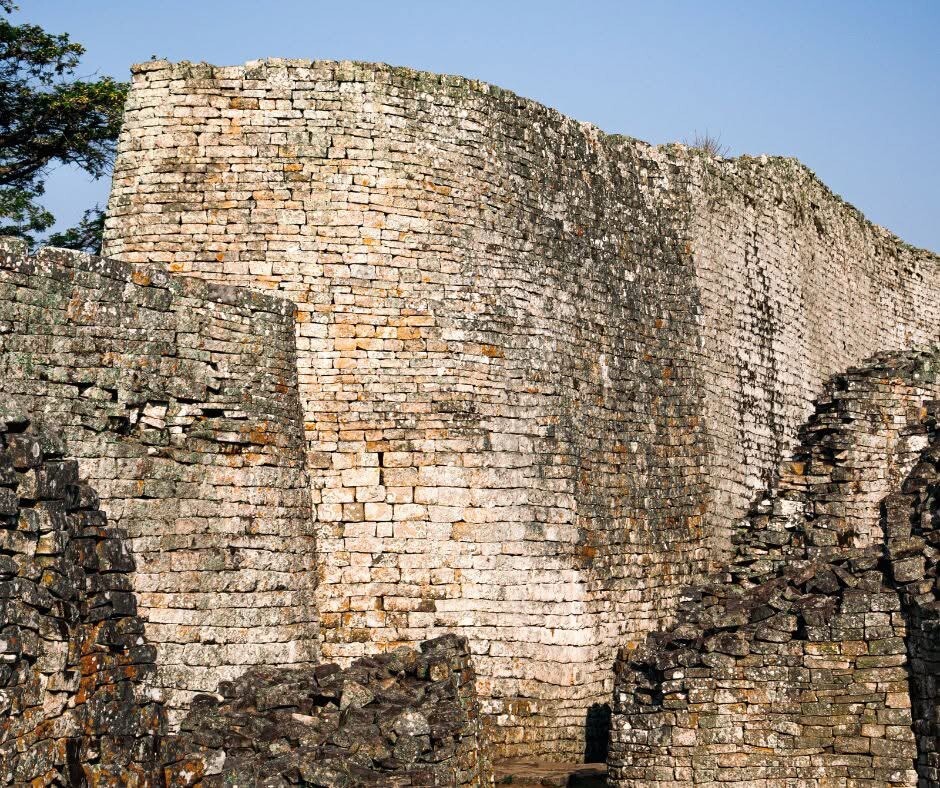
There are many interesting facts about Great Zimbabwe. Among them is the height of the walls. It can reach about 11 meters. The massive walls were constructed without the use of any mortar to glue the millions of granite stones together. The stones were expertly shaped and fitted so perfectly that the walls have stood for centuries.
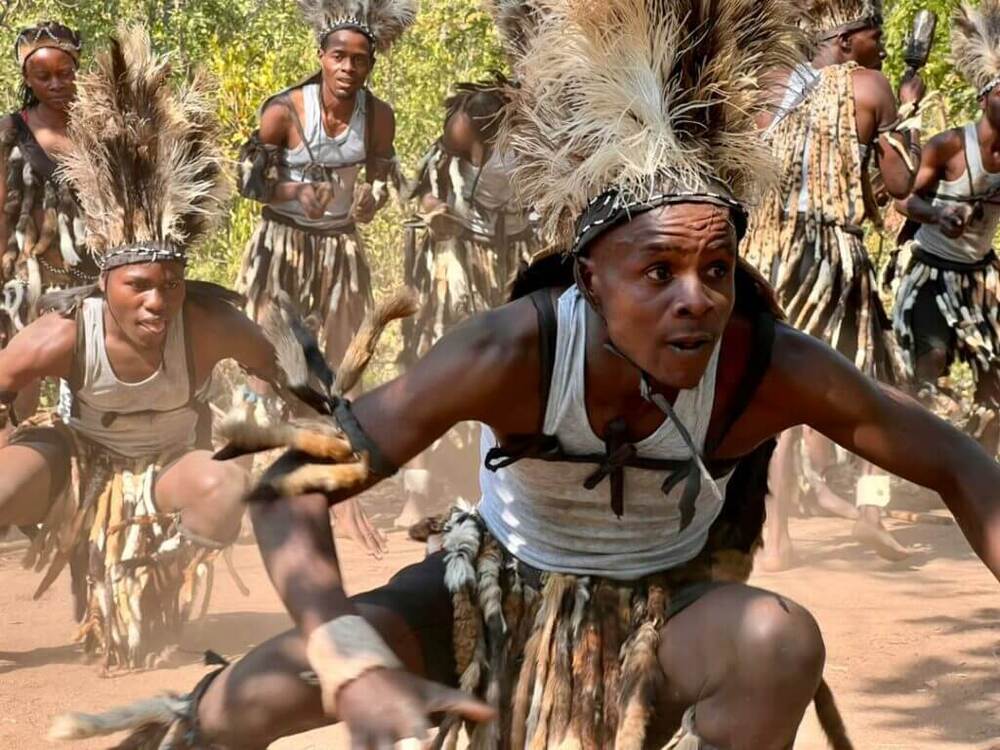
When I visited there, I experienced cultural dances, for example, Mbakumba, Dinhe, Jerusalem, and Mbende. Every dance has a different cultural meaning. Dancers put on traditional costumes as well as masks when they perform such dances.
My favorite place at Great Zimbabwe is the museum because I can see beautiful artworks, beadwork, and learn a lot about how people lived in the past. I also read about the rain-making ceremony that was performed there. The place attracts many foreigners from around the world every year. If you have the opportunity to come to Zimbabwe, I recommend this famous place in my city.
【出典】
National Arts Council Of ZImbabwe [Mbende Jerusarema Dance Festival]
https://nacz.co.zw/mbende-jerusarema-dance-festival/
- 日本語訳を見る
ジンバブエには、「グレート・ジンバブエ」と呼ばれる場所があり、ジンバブエ南東部、マスヴィンゴ市の近くに位置しています。それは国の名前の由来となった歴史的な場所です。ジンバブエという名前は、(公用語の一つである)ショナ語の「dzimba dzemabwe」という言葉から来ています。これは英語で「石の家」または「石の建物」と翻訳されます。この重要な場所を見てみましょう。
グレート・ジンバブエについては、多くの興味深い事実があります。その中の一つが、壁の高さです。それは約11メートルに達します。この巨大な壁は、何百万もの花崗岩の石を接着するための漆喰(モルタル)を一切使わずに建設されました。それらの石は巧妙に形作られ、完璧にはめ込まれたため、壁は何世紀も立ち続けています。
私がそこを訪れたとき、文化的な踊り、例えばムバクンバ、ディンヘ、エルサレム、ムベンデなどを体験しました。それぞれの踊りには、異なる文化的な意味があります。踊り手たちは、そのような踊りを披露するとき、伝統的な衣装や仮面を身につけます。
グレート・ジンバブエでの私のお気に入りの場所は博物館です。なぜなら、美しい芸術作品やビーズ細工を見ることができ、人々が過去にどのように暮らしていたかについて多くのことを学ぶことができるからです。私はまた、そこで行われていた雨乞いの儀式についても読みました。その場所は、毎年世界中から多くの外国人を惹きつけています。もしあなたがジンバブエに来る機会があれば、私の街にあるこの有名な場所をお勧めします。
Key Points
キーポイント
Repeat each word(s) and example sentence(s) after your teacher/tutor.
先生の後に続いて、各フレーズ、単語、例文を言ってみましょう。自習の場合はスピーカーボタンを押して聞いてみましょう。
Key Phrases 重要表現
- A , which is located in B
-
Bに位置するA
-
In Australia, we have a big rock called "Uluru", which is located in the middle of the country.
オーストラリアには『ウルル』と呼ばれる大きい岩があり、その国の真ん中に位置しています。
- name after
-
~を由来として名付ける、~にちなんで名づける。
-
The park is named after a local hero.
その公園は地元の英雄にちなんで名付けられています。
- so A that B
-
とてもAなのでBだ
-
The book was so interesting that I finished it in one day.
その本はとても面白かったので、1日で読み終えました。
Key Vocabulary 重要単語・熟語
- significant
-
sɪɡˈnɪf·ɪ·kənt
重要な、かなりの
形容詞
- important or large
-
Today is the significant date for me.
今日は私にとって重要な日です。
- expertly
-
ˈek·spɜrt·li
巧妙に、上手に、専門的に
副詞
- in a way that shows a lot of knowledge or skill
-
He expertly repaired the delicate watch mechanism.
彼はその繊細な時計の機構を巧妙に修理した。
- shape
-
ˌʃeɪp
形づくる、作る
動詞
- to decide the way something happens or is organized
-
The dough was shaped by hand before baking.
パン生地は焼く前に手で形作られました。
- fit
-
fɪt
ぴったりはめ込む、合う、適する
動詞
- to be the right shape or size for someone or something
-
The puzzle pieces were fitted together.
パズルのピースがぴったり組み合わされました。
- among
-
əˈmʌŋ
(通常3つ以上にて)~の中で、~の間に
前置詞
- in the middle of a group, in a particular group
-
We saw many animals at the zoo. Among them were lions, tigers, and bears.
私たちは動物園で多くの動物を見ました。それらの中にはライオンやトラ、クマがいました。
- attract
-
əˈtrækt
引きつける、魅惑する
動詞
- to make people come to a place or do a particular thing
-
Her speech attracted a lot of attention from the media.
彼女のスピーチは、メディアから多くの注目を集めました。
Others その他
- southeastern
-
ˌsɑʊθˈis·tərn
南東の、南東からの
形容詞
- in or from the southeast
-
A strong wind is blowing from the southeastern direction.
強い風が南東の方向から吹いています。
- massive
-
ˈmæs·ɪv
どっしりした、大きい
形容詞
- very big
-
A massive whale was found.
巨大なクジラが発見されました。
- granite
-
ˈɡræn.ɪt
花崗(かこう)岩、みかげ石
名詞
- a very hard, grey, pink, or black rock, used for building
-
Our new kitchen countertop is made of polished granite.
私たちの新しいキッチンの天板は、磨かれた花崗岩でできています。
- beadwork
-
ˈbiˌdwɝk
ビーズ細工、玉縁
名詞
- the art or craft of attaching beads to one another or to a base material, such as cloth, leather, or string.
-
You can buy handmade beadwork jewelry at the local market.
あなたは地元の市場で、手作りのビーズ細工のジュエリーを買うことができます。
- rain-making ceremony
-
reɪn meɪkɪŋ ˈsɛrəˌmoʊni
雨乞いの儀式
名詞
- A ritual or ceremony performed to invoke or produce rain.
-
This book is about a rain-making ceremony.
この本は、雨乞いの儀式についての本です。
Practice
練習
Fill in the blanks to complete the sentence.
空欄を埋めて文章を完成させましょう。
In New York, we have a park called "Central Park", (___)(___) (___) in the center of Manhattan.
ニューヨークには『セントラルパーク』と呼ばれる公園があり、マンハッタンの中心部に位置しています。
ヒント:A, which is located in B
- 回答を見る
In New York, we have a park called "Central Park", (which)(is)(located) in the center of Manhattan.
He was (___)(___) his grandfather.
彼は彼のおじいさんにちなんで名付けられました。
ヒント:name after
- 回答を見る
He was (named)(after) his grandfather.
It was (___) cold (___) we decided to stay inside.
とても寒かったので、私たちは家の中にいることにしました。
ヒント:so A that B
- 回答を見る
It was (so) cold (that) we decided to stay inside.
Article
記事(英文のみ)
Read the article aloud on your own or repeat each paragraph after your teacher/tutor.
記事を自分で読む、または先生に続いて段落毎に読んでみましょう。
Great Zimbabwe Ruins: A Testament of Zimbabwe
<Let's learn!>
・A , which is located in B
・name after
・so A that B
=====================================
In Zimbabwe, we have a place called “Great Zimbabwe”, which is located in the southeastern part of Zimbabwe, near the city of Masvingo. It is the historical place that the nation is named after. The name Zimbabwe came from the Shona words (one of the official languages) “dzimba dzemabwe”. This translates to 'houses of stone' or 'stone buildings' in English. Let’s take a look at this significant place.
There are many interesting facts about Great Zimbabwe. Among them is the height of the walls. It can reach about 11 meters. The massive walls were constructed without the use of any mortar to glue the millions of granite stones together. The stones were expertly shaped and fitted so perfectly that the walls have stood for centuries.
When I visited there, I experienced cultural dances, for example, Mbakumba, Dinhe, Jerusalem, and Mbende. Every dance has a different cultural meaning. Dancers put on traditional costumes as well as masks when they perform such dances.
My favorite place at Great Zimbabwe is the museum because I can see beautiful artworks, beadwork, and learn a lot about how people lived in the past. I also read about the rain-making ceremony that was performed there. The place attracts many foreigners from around the world every year. If you have the opportunity to come to Zimbabwe, I recommend this famous place in my city.
【出典】
National Arts Council Of ZImbabwe [Mbende Jerusarema Dance Festival]
https://nacz.co.zw/mbende-jerusarema-dance-festival/
Questions
質問
Answer the questions based on the article.
記事の内容から質問に回答しましょう。
What does “dzimba dzemabwe” mean in English?
“dzimba dzemabwe”は英語でどのような意味ですか?
ヒント:This translates to ~
- 回答を見る
This translates to 'houses of stone' or 'stone buildings'.
Why have the walls stood for centuries?
なぜ壁は何世紀にもわたって立ち続けているのですか?
ヒント:Because the stones ~
- 回答を見る
Because the stones were expertly shaped and fitted so perfectly (that the walls have stood for centuries).
What do dancers put on when they perform?
踊り手は披露するときに何を身につけますか?
ヒント:Dancers put on ~
- 回答を見る
Dancers put on traditional costumes as well as masks (when they perform dances).
Discussion
ディスカッション
Let’s have a discussion about the theme with your teacher/tutor or classmates.
先生やクラスメートとテーマについて話し合いましょう。
With your teacher/tutor 先生とのディスカッション
Why do you think so many foreigners visit Great Zimbabwe every year?
なぜ毎年多くの外国人がグレート・ジンバブエを訪れると、あなたは思いますか?
Because ~.
Do you know of any ruins made of stone in your country?
あなたの国でどこか石で作られた遺跡を知っていますか?
Yes, I do. I know ~. / No, I don't.
Have you ever experienced any traditional performances or festivals in your country?
あなたは今までに、自分の国で何か伝統的なパフォーマンスやお祭りを体験したことがありますか?
Yes, I have. I have experienced ~./No, I haven't.
With your classmates クラスメートとのディスカッション
Have you ever had the opportunity to experience historical cultures?
あなたは今までに、歴史的な文化を体験する機会がありましたか?
Yes, I have./No, I haven't.
If yes→ I have the opportunity to experience ~.
If you were to go to a museum, what would you like to see?
もしあなたが博物館に行くとしたら、何を見てみたいですか?
I would like to see ~.
What kind of places do you like to see when you travel?
あなたは旅行するとき、どのような場所を見るのが好きですか?
I like to see ~.